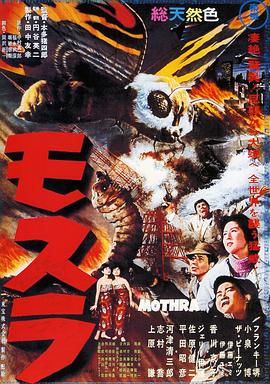
Shipwreck survivors are found on Beiru Island (Infanto tô), which was previously used for atomic tests. The interior is amazingly free of radiation effects, and they believe that they were protected by a special juice that was given to them by the island's residents. A joint expedition of Rolisican and Japanese scientists explores Beiru and discovers many curious things, including two women only one foot (30 centimeters) high. Unscrupulous expedition leader Clark Nelson abducts the women and puts them in a vaudeville show. But their sweet singing contains a telepathic cry for help to Mothra, a gigantic moth that is worshiped as a deity by the island people. The giant monster heeds the call of the women and heads to Tokyo, wreaking destruction in its path.
Set in a small Quebec town in the late-1920′s, this emotional drama follows the life and exploits of Celeste Beaumont, a talented young pianist who gains local celebrity at the town movie theater for her gifts as a silent film pianist. Awkward Pierre Blaudell is her biggest fan and eventually marries her. Shortly after this she bears his son, Pierre, who joins the army. She insists on joining him at the base and his meddlesome, snooty parents insist she give them her son. Pierre is killed in the war, and Celeste flees to New York where she finds steady employment as a jazz pianist. She finds a life-long companion with a black musician and chronicles her experiences in a diary that she passes on to her son after he grows up. Her son becomes a painter and once his own son, Antoine, is grown, reads him the story of Celeste, the youth’s grandmother. Intrigued, Antoine heads to the Big Apple in hopes of finding her. This movie is an emotional drama about how Antoine, played beautifully by François Méthé, discovers the details of his heritage. This film won many awards in Canada and at Cannes in 1988. François Méthé, who was about 11-years-old, never acted again after this movie. From IMDb A quiet painter, separated from his wife for a year, receives a suitcase in the mail from his mother, whom he hasn’t seen since infancy. He believes she abandoned him to his wealthy, paternal grandparents. The suitcase contains mementos and a diary, a long letter to him, written over the years, with details of her youth, her first job as a pianist at a cinema, the coming of talkies, her marriage, and how he came to live with his grandparents. As he reads through the materials and her story comes to life, his son Antoine, who’s about 10 or 12, tries to break through his father’s silence and sorrow by taking matters into his own hands.
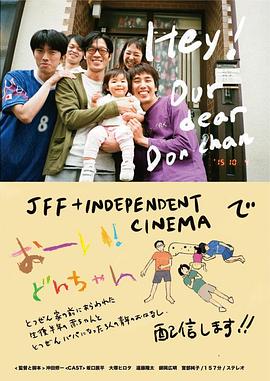
A miracle independent film capturing the growth of a single baby over a period of 3 years.
The film revolves around three struggling actors Michio, Gunji, and Enoken, who share a house together. One day, they find a baby girl left with a letter from Michio's ex-girlfriend. They name the child "Don-chan" and embark on the journey of raising her, despite their initial confusion. Directed by OKITA Shuichi, known for films such as "A Story of Yonosuke” and “The Fish Tale”, the movie is a self-produced project featuring OKITA and his actor friends, documenting the life of his own daughter from 6 months to 3 and a half years old. Shot entirely with a handheld camera, the film captures the heartwarming moments of Don-chan's growth and the challenges faced by the three men in nurturing her. The film was also shot on location in Ueda City, Nagano Prefecture, where Ueda Eigeki, a local theater, recommends the movie. Don-chan's growth is complimented along with the picturesque scenery of Bessho Onsen and Sugadaira Kogen. The heartwarming world of OKITA Shuichi, where drama and reality coexist in a mysterious harmony, unfolds throughout the film. From a crying infant, Don-chan grows to a point where she can speak her lines, and everyone's affectionate watch over her brings warmth and comfort to the viewers.







![西部慢调[电影解说]](https://img.lzzyimg.com/upload/vod/20230301-1/1a05faec2503a2236fad0e0fbb63df49.jpg)
![耍宝警探[电影解说]](https://img.lzzyimg.com/upload/vod/20221123-1/cb4252a2539b57fac362436aafd77cd0.jpg)



![喜羊羊与灰太狼之筐出未来[电影解说]](https://img.lzzyimg.com/upload/vod/20231024-1/43b7c553be249414c9fa8a5cfdac42c9.jpg)







![断背山[电影解说]](https://img.lzzyimg.com/upload/vod/20230131-1/42309de494d9fca4c472f52570523e9f.jpg)
![大炮之街[电影解说]](https://img.lzzyimg.com/upload/vod/20230608-1/60686e146f6c3a2800709ede72222da5.jpg)

![封神·纣灭[电影解说]](https://img.lzzyimg.com/upload/vod/20231115-1/0f540b59c8980938f6ef922a94c17ca0.jpg)




![秀逗魔导士[电影解说]](https://img.lzzyimg.com/upload/vod/20230505-1/da4ac807e7007a54b6459b21d053aeda.jpg)